
Georgetown Court Docket Searches
Georgetown publishes no online Mayor's Court docket and no public case-history form. That means your search begins with the citation or notice, not a portal. Read the paper closely. It should name the issuing agency, the court, the citation or case number, the offense or ordinance, and any appearance instruction. Is the 35th Judicial District Court named? Then take the parish court and Clerk route rather than the town route.
- Read the Georgetown citation or notice for its court name and number.
- Call the town contact to ask whether the record is a Mayor's Court matter.
- Give the citation number, party name, date, and alleged ordinance or statute.
- Ask for the setting, payment path, disposition, or copy process that applies.
- If the paper names the 35th JDC, contact the Grant Parish Clerk or court office.
Georgetown Mayor's Court Route
Georgetown sits fifth in the city-page ranking, with a 2020 Census population of 277. The village sits inside Grant Parish. A local traffic or ordinance matter may stay on a Mayor's Court route, which stays separate from a 35th JDC record even though the case arose within the parish. The official Village of Georgetown site is the municipal starting point.
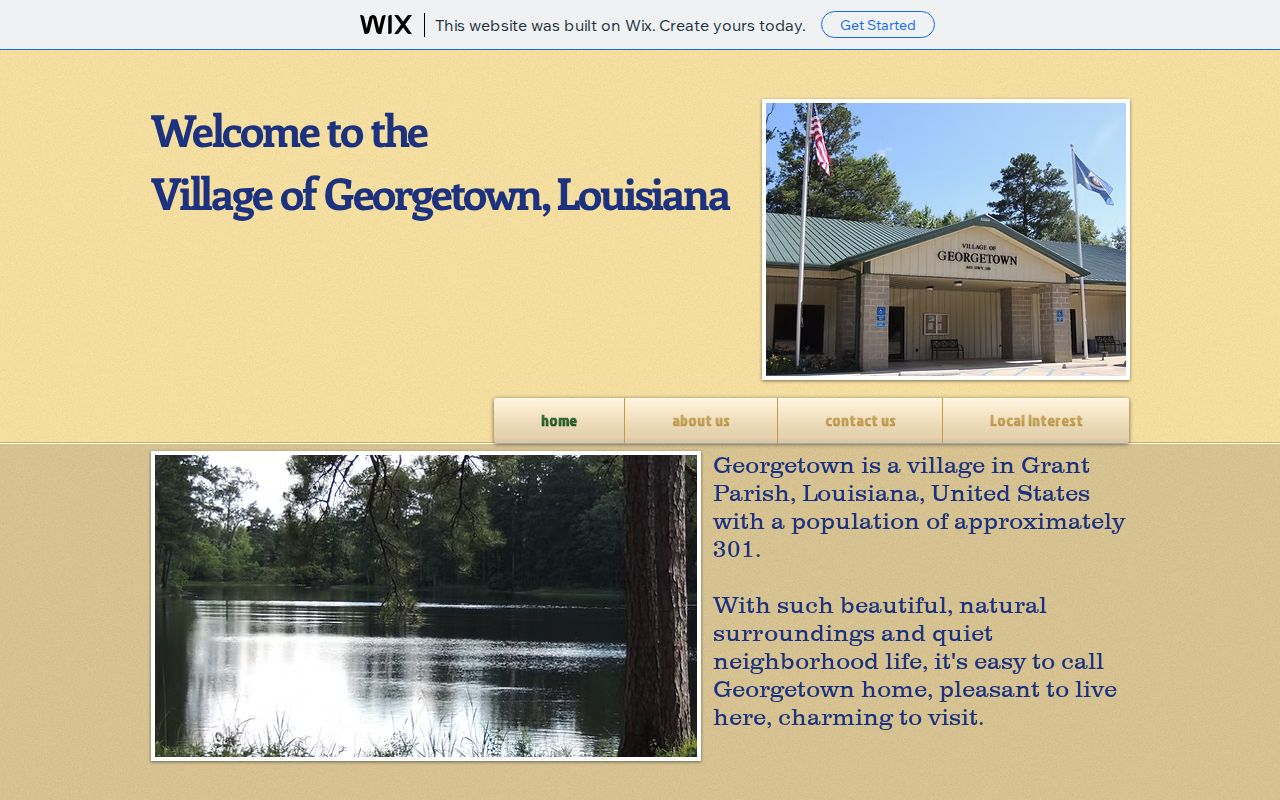
Because Georgetown is a village, the court named on the citation is the routing clue that matters most. A local village record should not be treated as part of the parish district-court file.
Inside the Georgetown Municipal Court
For local traffic and ordinance business, treat the Georgetown Mayor's Court as its own record keeper. That holds unless the citation says otherwise. Louisiana's municipal-court framework does not push every Georgetown matter into the 35th JDC. A municipal record might involve a village ordinance or a town-issued traffic citation. Felony, parish civil, probate, and district-court matters follow the 35th JDC and the Grant Parish Clerk instead.
The official Georgetown contact page offers an online message form and links to QuickCourt for paying a traffic fine. It also links a separate water and sewer payment service. The village publishes no street-address and phone court directory and no public docket search. So use the contact form and the citation to confirm which office holds the record.
Treat the payment link as a narrow route. QuickCourt may accept the traffic-fine payment reached from the village page. But that link is not a full court docket, a minute archive, or a certified-copy service. Someone who needs a disposition or court record should ask the village or named court. Ask how the document is issued after payment or an appearance.
The missing directory is itself useful. Do not fill the gap with an unverified listing. Use the official Georgetown contact form instead. Quote the citation or notice. Ask for the court name, date, number, payment status, and copy procedure. Does the notice name the 35th JDC? Move to the Grant Parish Clerk and court contacts at 200 Main Street, Colfax. If it names a village route, keep the QuickCourt payment path distinct from utility billing. Request the local record from the village.
The two links on the village page do different jobs. A traffic-fine payment link is not a court-history database. A utility payment path is not a citation route. Start with the court and number printed on the paper before typing anything into either service.
Georgetown appears here because its 277 residents placed it fifth in the comparable 2020 incorporated-place ranking. The ranking explains the page set, not the court's workload. Even a small village can have a live citation or ordinance matter. Confirm it locally.
Georgetown's narrow source trail makes the citation especially important. The village site can send a visitor to QuickCourt for a traffic-fine payment. For a question about a date, court record, disposition, or copy, the contact form is the better route. Ask before paying or traveling. A QuickCourt receipt documents a transaction but not the complete docket history. Utility billing stays a separate service on the same page.
The best Georgetown request is one the village can answer without guessing. Quote the citation number and court. State the event date. Ask whether the item you need is a payment receipt, a disposition, a docket entry, or a certified copy. If no local directory is published, ask the contact form to identify the office and appearance location. That keeps the village route useful while saving the Grant Parish courthouse for matters actually filed in the 35th JDC.
Georgetown Town Hall and Courthouse
Georgetown keeps a local contact route plus a parish fallback. A village traffic or ordinance question starts with the village contact page. The 35th JDC and the Grant Parish Clerk sit at 200 Main Street in Colfax, not Georgetown. Call the Clerk at (318) 627-3246 for district-court copies and certifications. For courtroom scheduling, the court office number is (318) 627-3244. The official Georgetown contact page offers the village form and a linked QuickCourt route. Use that route for traffic fines.
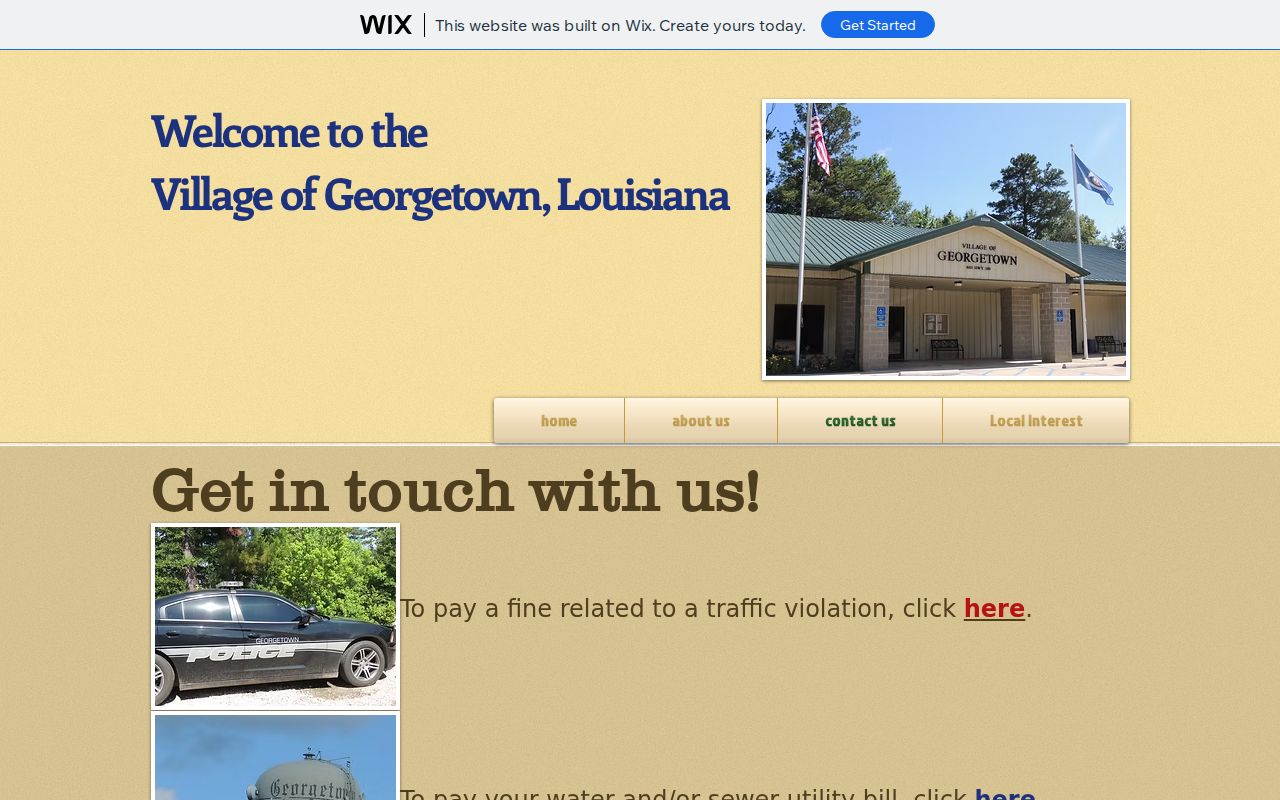
Call before you travel. Confirm the address and appearance point with the office named on the citation, since security screening and local access rules can limit what you bring inside a Grant Parish courthouse.
Finding Georgetown Court Dates
Georgetown Mayor's Court publishes no official calendar or docket PDF. So a court date for a municipal citation has to come from the town itself. Call and confirm the current date, time, and place. Is the case in the 35th JDC instead? That court's docket page and its current PDF can show an upcoming setting. One caution applies: the court warns that online dates can change without notification.
| Date | Use the date on the Georgetown citation; ask the town to confirm any change. |
|---|---|
| Time | No regular Georgetown Mayor's Court time was verified in the reviewed sources. |
| Location | Confirm whether the appearance is at a town location or the 35th JDC courthouse. |
| Presiding official | Ask the named court; no standing Georgetown court roster was located. |
| Setting type | Use the citation or clerk confirmation to distinguish appearance, payment, trial, or compliance. |
Georgetown Record Request Checklist
Keep a Georgetown records request narrow and it will get routed faster. Ask for one specific court record, not everything about a person. Even within a municipal matter, the pieces are separate requests: a citation image, a payment or disposition, a docket or minute entry, a judgment, and a certified copy. The town office can tell you whether it holds that filing or whether another office must respond.
| Provide for a Georgetown request | Why it helps |
|---|---|
| Citation or case number | Connects the request to the local court file. |
| Party name and date | Helps distinguish a common name or event. |
| Issuing agency and ordinance | Shows whether the record is municipal or parish-routed. |
| Exact record type | Lets the custodian identify a docket, citation, or disposition. |
| Plain or certified copy | Allows the office to explain its available copy procedure. |
Georgetown Traffic Ticket Lookups
Start a Georgetown traffic ticket lookup with the ticket itself. Do not start with an eClerks criminal-minute-entry search. Louisiana's online criminal-minute-entry rule leaves traffic out on purpose. The parish also offers no countywide traffic search or payment form. From there, a Georgetown ticket can go several ways. It may stay a town matter, flow into the parish workflow, or name a different court entirely. The citation itself tells you which path comes first.
For a ticket the town issued, ask the Georgetown contact what to do next. Find out whether to appear, pay, request a copy, or follow a separate process. A city-hall listing alone is not a public case index. For broader parish routing principles, see Traffic Court.
Georgetown Mayor's Court and JP Questions
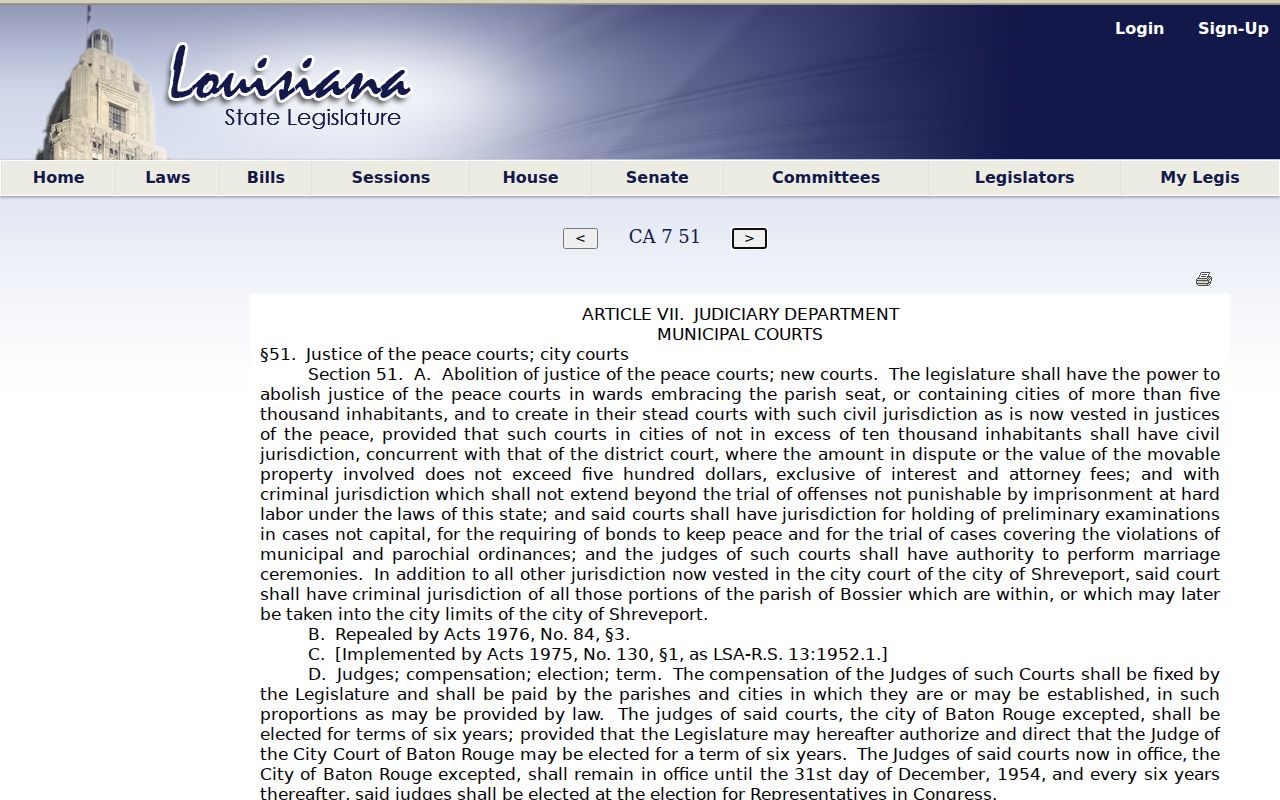
A municipal traffic case is not a Justice of the Peace civil case. Grant Parish has five JP districts with limited civil jurisdiction. Their lines can overlap a Georgetown address. That overlap alone never moves a Georgetown citation into a JP court. Sort out the question first. Is this a Mayor's Court citation or a small civil filing? Then ask the right local official where the filing and record route runs. The Louisiana Constitution Art. VII, Section 51 sets the state framework for local city and parish courts.
Let the paperwork itself name the court. A Georgetown citation, civil filing, or notice tells you whether you are dealing with Mayor's Court or a justice of the peace. A JP directory only routes you to the right office; it is not a combined Georgetown docket search.
How Georgetown Cases Reach the County
Some Georgetown matters land in the parish trial court instead of the municipal one. Those files live with the 35th JDC and the Grant Parish Clerk. The municipal contact has no part in them. The Clerk's office holds district-court civil, criminal, probate, traffic, and related records, within whatever limits the law allows. And keep this straight. A city citation does not become a district-court case. Georgetown's spot inside Grant Parish does not change that.
Docket flow: Georgetown Municipal Court › Grant Parish lower-court routing › 35th Judicial District Court
For district-court work, eClerks adds limited statewide layers. They cover qualifying criminal records and some supported index types. That is the extent of it. Copies, certified records, older material, and anything the online layers do not return still go through the Grant Parish Clerk. The Grant Parish court docket home walks through those separate parish channels in detail.
Georgetown Records at the 35th JDC
Sharing a courthouse does not merge the two systems. A 35th JDC case can cover criminal, civil, probate, or parish traffic business, but those files stay separate from municipal ones. Code of Civil Procedure Article 251 places district-court records with the Clerk. A Georgetown Mayor's Court citation still starts at the municipal contact. When you ask the Clerk for a minute entry or a copy, bring the case number or an exact event date.
The court's online docket has one real use: upcoming settings. It is not a full historical database. It cannot stand in for an official notice. It does not replace the Clerk's record-copy process.
Who Can See Georgetown Court Records
Louisiana's Public Records Law gives people the right to inspect and copy public records. It does not force a town to publish a Georgetown online docket. The town posts none. So a request has to go to the office that holds the file. Ask the town or the named court how it takes a municipal request. Then ask what it can provide. That could be inspection, a plain copy, or a certified one. For a 35th JDC case, put the same question to the Grant Parish Clerk. That office keeps the district court docket for the parish.
Georgetown access rules
Louisiana R.S. 44:31 recognizes a public right to inspect or copy public records unless another law restricts them.
Louisiana R.S. 44:33 addresses the custodian's duty to make records available within the statutory framework.
Code of Civil Procedure Art. 251 identifies the Clerk's district-court records role and copy function.
Georgetown Record Limits Under Louisiana Law
A missing Georgetown result does not prove a file never existed. Juvenile and adoption records follow their own confidentiality rules. Sealed or protected information can also block access. So a municipal request should name the particular Georgetown citation or event. You cannot assume all court information is publicly indexed. For a restricted district-court record, ask the Grant Parish Clerk what authorization or court order is needed. Then the office can release it.
One more limit deserves mention. Access rules never turn a downloaded image into a certified court record. If you need certification, ask the clerk whether it can supply that form. Also ask what the current fee or procedure is.